
January can feel like a quiet month in the garden, but there's actually plenty to get on with. The weather might be miserable, but change is on the horizon and getting these jobs done now will set you up brilliantly for the year ahead.
Clean Your Greenhouse
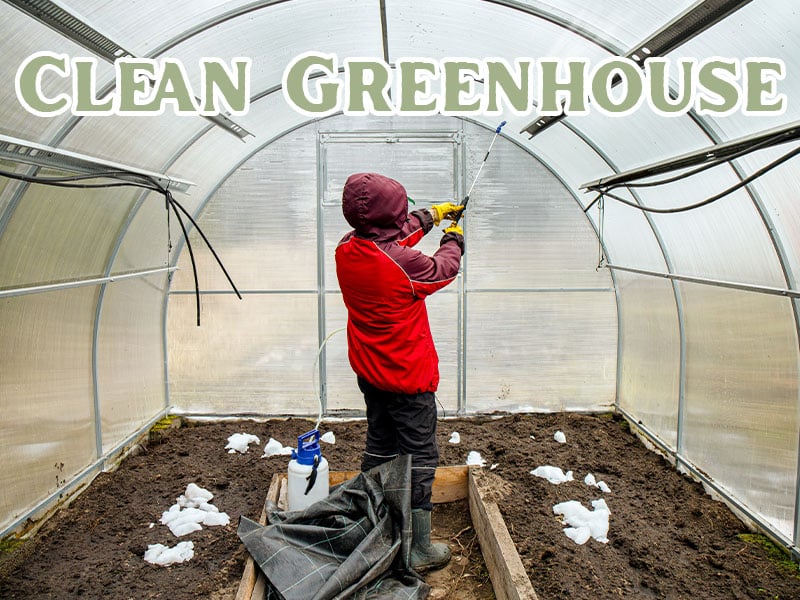
If you've got a greenhouse, now is the perfect time to give it a proper clean. I know it's not the most exciting job, but trust me, it makes a massive difference.
Dirty glass blocks out light when your seedlings need it most, and a dirty greenhouse may well be harbouring dangerous pathogens from last year's plants. Get yourself a bucket of warm, soapy water and give both the inside and outside a good scrub. Don't forget to clean between the overlapping panes where algae loves to hide.
If you had a bad year for disease or mould growth in your greenhouse, then consider using an anti-bacterial spray and giving it a serious deep clean.
While you're at it, check for any broken panes and get them replaced. A draughty greenhouse is no good for anything.
Start Your Chillies and Peppers
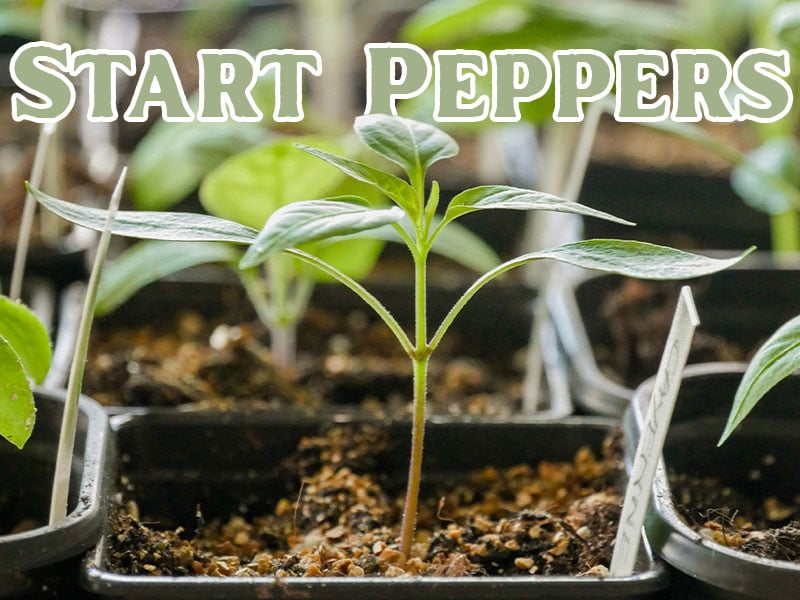
Chillies and peppers need a long growing season, so January is the perfect time to get them started. I sow mine in small pots indoors at whatever the house temp is, usually about 18°C. They can be slow to germinate, sometimes taking two or three weeks, so be patient.
Once they're up, keep them somewhere warm and bright. A heated propagator with a grow light or a warm windowsill will do the job. Just remember to turn them regularly if they're on a windowsill, or they'll grow all wonky reaching for the light.
Sort Out Your Tools
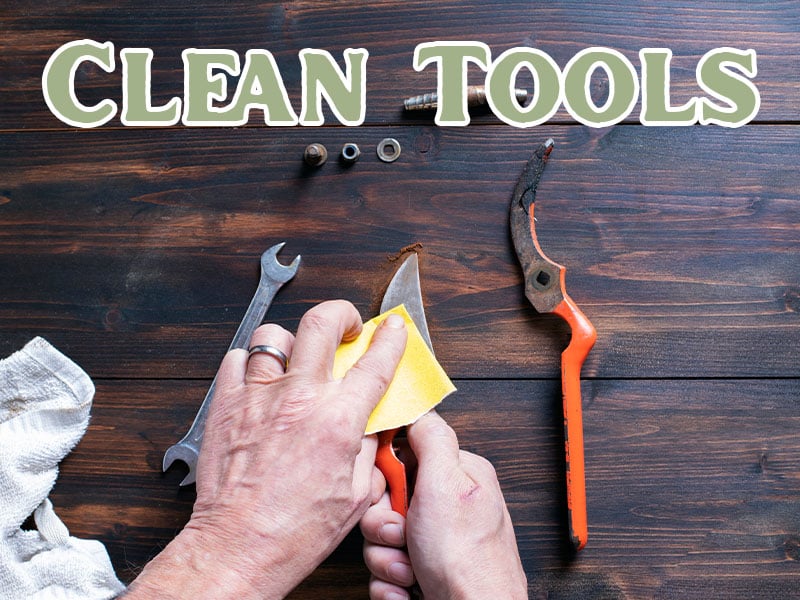
Your tools have probably been sitting in the shed since autumn, and they'll need some attention before the busy season starts. Give them a good clean with a wire brush to remove any rust, then sharpen your secateurs and shears. A drop of oil on the moving parts will keep them working smoothly.
Don't forget about your lawnmower. Book it in for a service now or give it a once overwhile everyone else is still thinking about it. Come March, you'll be glad you did when there's a three-week waiting list.
Prune Your Apple and Pear Trees
January is ideal for pruning apple and pear trees while they're dormant. You want to remove any dead, damaged or diseased wood first. Then look for branches that are crossing or rubbing against each other - these need to go too.
The aim is to create an open goblet shape that lets light and air into the centre of the tree. This helps prevent disease and ensures the fruit ripens properly. Just don't prune plum or cherry trees now - wait until summer for those or you'll risk silver leaf disease.
Check Your Stored Potatoes and Dahlia Tubers
If you're storing potatoes from last year's harvest, go through them and remove any that are going soft . One rotten potato can spoil the whole lot surprisingly quickly.
Same goes for dahlia tubers if you lifted them in autumn. Check for any signs of rot and cut it away with a clean knife. Dust the cut with sulphur powder if you have it - this helps stop the rot spreading.
Plan Your Veg Plot
This is the perfect time to sit down with a cuppa and plan what you're growing this year.
Order your seed potatoes now if you haven't already. The popular varieties sell out fast, and you want them to arrive with plenty of time to chit before planting in March.
Look After The Birds
The birds in your garden are working hard to survive the winter, so keep those feeders topped up. Fresh water is just as important as food - break the ice on bird baths when it freezes.
Fat balls, sunflower seeds and peanuts are all brilliant. Just make sure the peanuts are in a proper feeder so birds can't choke on whole nuts.
Don't Walk on Frozen Grass
I know it's tempting to nip across the lawn when it's frozen, but resist if possible. Frozen grass blades are brittle and snap easily when you walk on them. You'll be left with ugly brown footprints that take ages to recover.
If you need to work in the borders when the lawn is frozen, put down a plank to walk on. It spreads your weight and protects the grass.
Start Planning Your Summer Bedding
If you want to grow your own summer bedding from seed, some varieties need starting now. Geraniums and begonias both need a long growing season and should be sown in a heated propagator this month.
Begonia seeds are absolutely tiny - like dust. Don't cover them with compost as they need light to germinate. Just press them gently onto the surface of damp seed compost and pop them in the propagator.
The Bottom Line
January might seem quiet, but getting these jobs done now means you'll hit the ground running when spring arrives. Plus, it's lovely to get outside on those bright, crisp January days when the sun does make an appearance. Just wrap up warm and enjoy the peace before the madness of spring kicks in!

Leave a Reply