

Written by Alec White of Primrose Hall Peonies
Primrose Hall Peonies is an RHS Chelsea Flower Show gold medal award-winning British specialist peony nursery and we hold the Plant Heritage National Collection for unusual Intersectional or Itoh peony varieties. We currently stock the largest selection of rare and extremely collectable peonies for sale in the UK from herbaceous to tree and patio to Itoh, we are growing them all.
Extending the peony season in your garden is easier than you might think. Over the years, I’ve learned that with thoughtful planning, careful selection of varieties, and a few well-timed gardening techniques, you can enjoy peony blooms from early spring to midsummer. Whether you’re planting early-flowering hybrids, nurturing intersectional peonies for their long-lasting display, or simply deadheading at the right moment, there are numerous ways to make the most of these captivating plants. I’m sharing a selection of practical tips and strategies that I’ve gathered through years of cultivating peonies, so you can enjoy their beauty and elegance for as long as possible.
Careful Variety Selection
Selecting peony cultivars that flower at different times during the season is a straightforward way to extend the bloom period in your garden. The document mentions early-season bloomers like Paeonia Claire de Lune (a hybrid with pale yellow flowers) that begin flowering in late April, and later bloomers like Paeonia lactiflora hybrids which flower well into June or early July.

Intersectional hybrids and other cultivars can bridge the gap between traditional herbaceous peonies and woody varieties, offering longer bloom cycles. This staggered flowering ensures your garden remains colorful over a longer timeframe.
Intersectional Peonies for Longer Bloom
Intersectional (Itoh) peonies are highlighted as having the longest blooming period among peony types, lasting 4-5 weeks under optimal conditions. This is because they produce a large number of buds, including both central and side buds, which bloom in sequence rather than all at once.
A single mature plant can produce 40-50 blooms, ensuring a prolonged display of flowers, which makes them ideal for gardeners seeking long-lasting peony blooms.
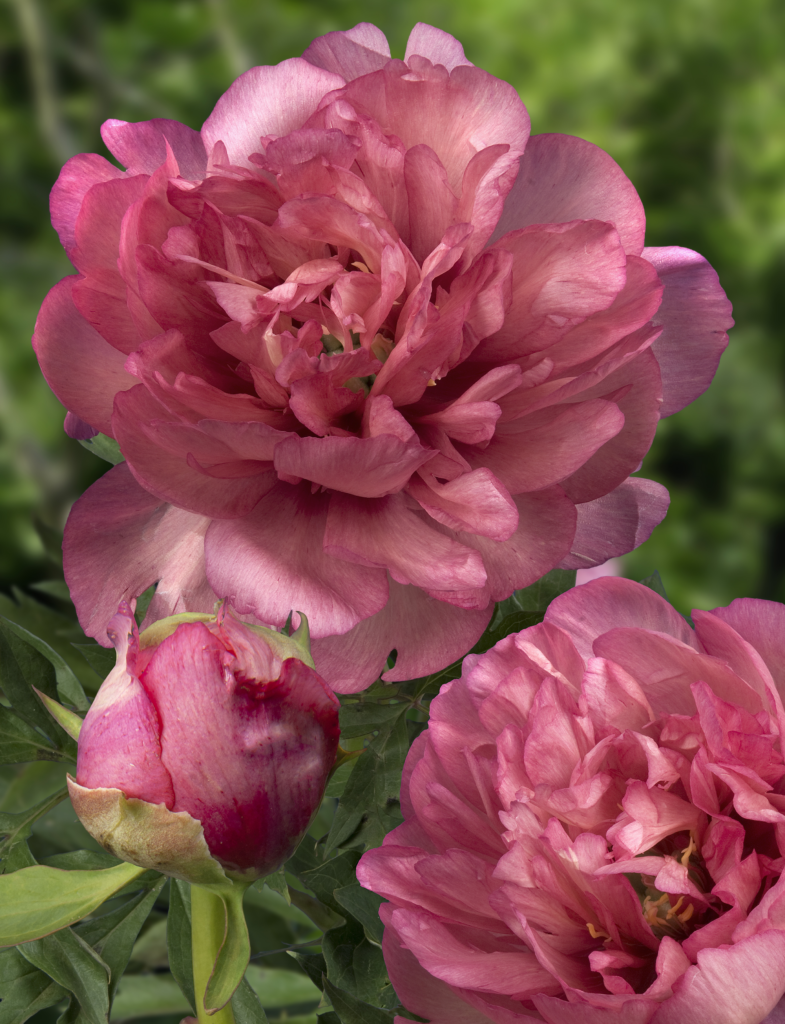
Disbudding for Larger or Sequential Blooms
What Is Disbudding? Removing the smaller side buds on a peony stem allows the plant to direct all its energy to the central flower bud, producing a larger, higher-quality bloom. This technique is commonly used for cut flowers or exhibition blooms.
Why Avoid Disbudding Intersectionals? For intersectional peonies, leaving the side buds intact ensures successive flowering. These side buds bloom after the central flower, naturally extending the display of blooms on a single plant. This makes them especially appealing to gardeners who prioritise prolonged flowering over individual bloom size.
Environmental Factors to Prolong Blooms
Sunlight
While peonies generally thrive in full sun, blooms tend to fade faster when exposed to direct sunlight throughout the day. Planting in areas that receive morning sun and afternoon shade can extend bloom longevity.
Watering
Regular watering, especially during critical periods like spring bud formation and late summer when the plant is developing next year's growth, ensures robust blooms. Insufficient watering during these times can lead to smaller buds or even bud drop.
Protection from Heat
Shielding blooms from harsh afternoon heat or wind can further enhance their lifespan. Strategic garden planning, such as planting taller shrubs nearby, can provide necessary protection.
Deadheading and End-of-Season Care
Removing spent flowers redirects the plant's energy from seed production to root and vegetative growth. This keeps the plant healthier and better prepared for the next season's bloom. However, deadheading is optional and based on aesthetics; some gardeners find seed pods attractive and leave them in place.
Cutting back herbaceous peonies in late autumn, after the foliage has completely died down, is essential for maintaining plant health. This reduces the risk of diseases like peony wilt and encourages vigorous growth in the next season.
Manipulating Bloom Timing
Placing peonies under simple coverings like polytunnels can bring forward the blooming period by 1-2 weeks. This technique is useful for gardeners or growers looking to align blooms with specific events or exhibitions.
Cold storage can be used to delay bud development by "tricking" the plant into staying dormant for longer. However, this technique is complex and not foolproof. Improper timing can result in buds failing to open or blooms being of lower quality.
Ultimately fresh blooms are always best, and extending the flowering period through environmental manipulation is difficult and often risky. Selecting complementary cultivars for natural staggered blooming is a more reliable strategy for extending your peony blooming season to ensure you have peony flowers for longer in your garden.
By combining all the techniques and tips —selecting a mix of cultivars, choosing intersectional hybrids, optimising environmental conditions, and applying gardening techniques like disbudding or deadheading—you can maximise the flowering potential of your peonies and extend their seasonal presence in your garden. Let’s face it, if we could, we would want them to stay around all year!
Leave a Reply