
January might seem too early to start sowing flowers, but if you've got a heated propagator or a warm windowsill, there's actually quite a lot you can get going this month. The key thing to remember is that everything needs to be started indoors with heat, nothing goes outside yet!
Most of these seeds will need temperatures between 18-24°C to germinate properly, so a heated propagator is really useful. If you don't have one, a warm windowsill will work for some varieties, but you'll get much better results with consistent heat.
Mimulus (Monkey Flower)
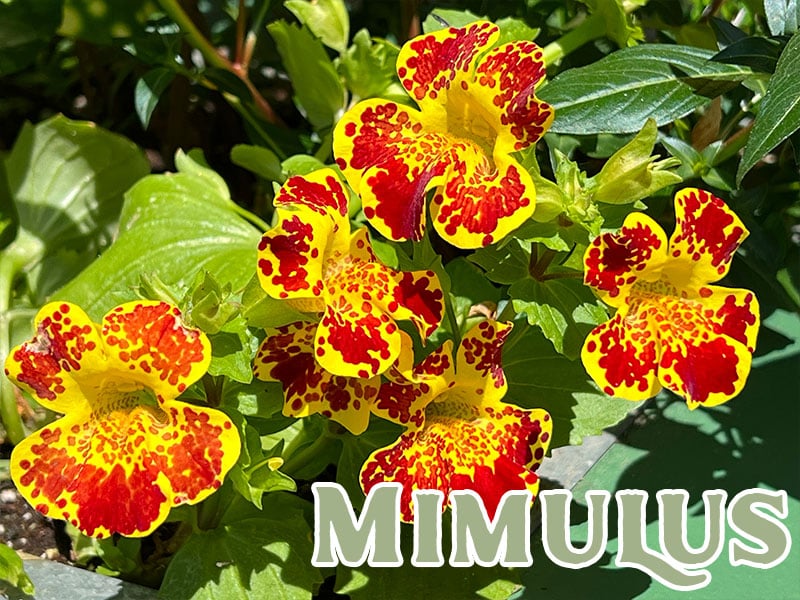
These cheerful flowers with their monkey-face-like blooms (hence the nickname) are perfect for shady, damp spots. Sow the tiny seeds on the surface of moist compost and don't cover them - they need light to germinate. Keep them at 21-25°C and they should pop up in 1-3 weeks.
The seedlings are tiny and delicate, so be careful when pricking them out. They like it cool once they're growing, so move them somewhere cooler after germination. Plant them out after the last frost at about 15-30cm apart depending on the variety.
Delphinium
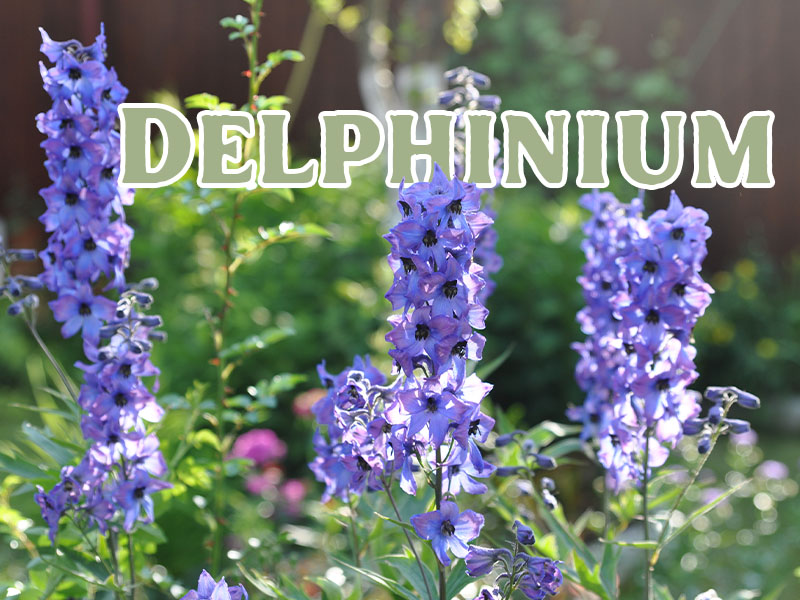
Delphiniums are a bit fussy but worth the effort for those stunning flower spikes. Here's the trick - they need a cold period first. Pop the seeds in the fridge for a week before sowing. This mimics winter and helps them germinate better.
Sow them in trays or modules of seed compost with a bit of vermiculite mixed in. Barely cover the seeds as they need some light. Keep them warm - around 15-20°C is perfect. Any warmer and they might not germinate at all. They can take anywhere from 1-5 weeks to come up, so be patient. Dark blue varieties are particularly slow, so don't give up on them.
Salvia Splendens
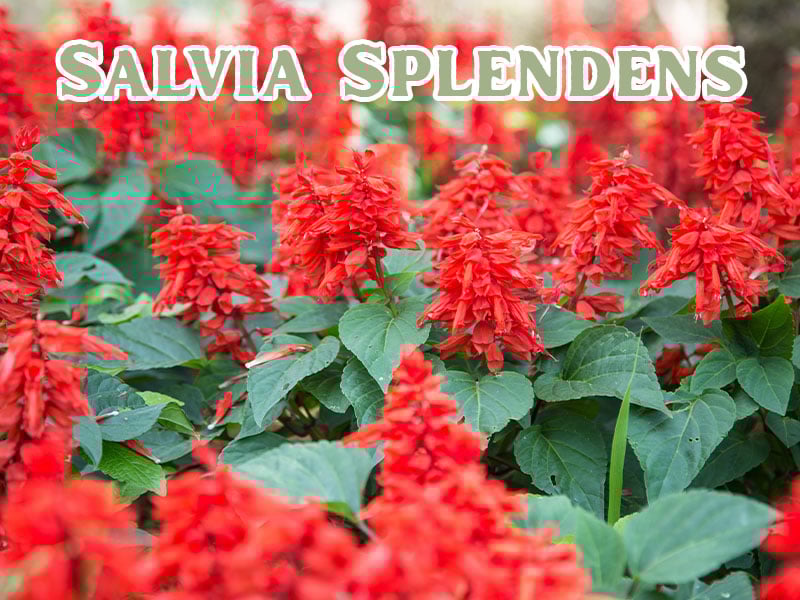
These brilliant bedding plants need an early start to flower well. Sow them on the surface of moist compost in March would be better timing, but if you're keen, you can start them now. They need temperatures of 15-18°C to germinate, which should happen in about 2 weeks.
Cover the seeds very lightly with vermiculite. Once they're up, pinch out the growing tips when they're about 10cm tall to make them bushy. They hate being too wet, so water carefully.
Begonia
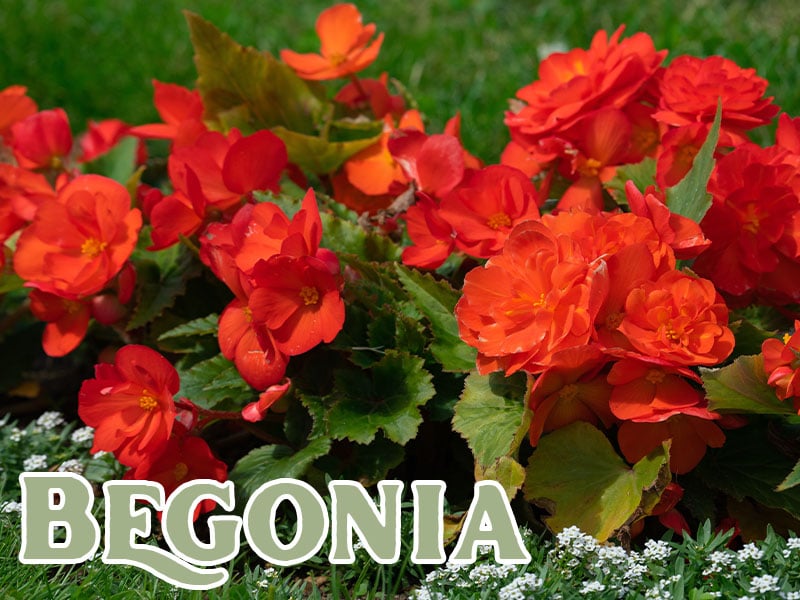
Begonia seeds are absolutely tiny - like dust - so be really careful when sowing. Don't cover them at all as they need light to germinate. Sow them on the surface of fine, moist compost and keep at 21°C minimum.
Water from below by standing the tray in water, as watering from above will wash the seeds away. Cover with clingfilm or a propagator lid to keep humidity high. They're slow to germinate - can take up to 4 weeks - and the seedlings are minute when they first appear. Don't be in a rush to prick them out.
Petunia
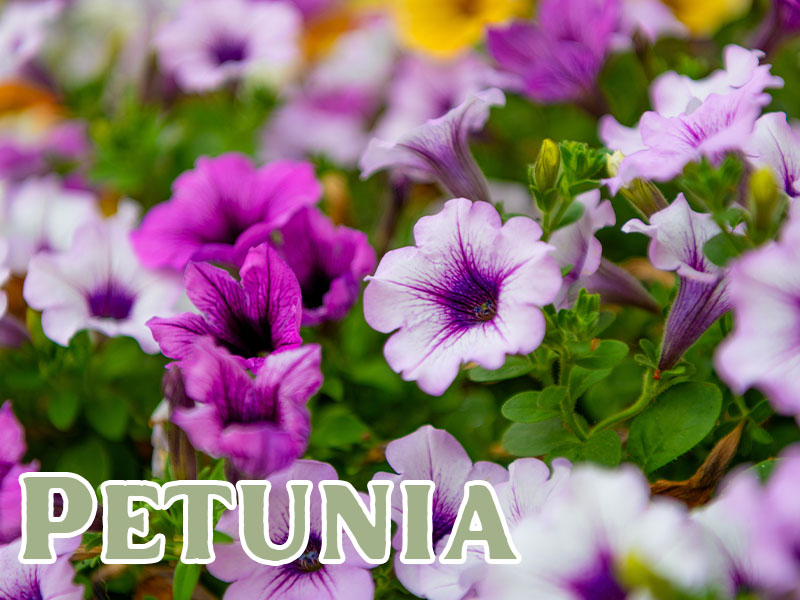
Petunias have a reputation for being tricky, but they're not really - you just need to get the conditions right. The seeds are tiny and need light to germinate, so don't cover them. Sow on the surface of moist compost and keep at 24-27°C for best results.
Keep the compost moist but not soggy - a propagator lid helps. They should germinate in 7-10 days. Once they're up, reduce the temperature a bit and grow them on cool to get bushy plants with lots of flowers.
Dahlia
Growing dahlias from seed won't give you named varieties, but you'll get some interesting results and it's much cheaper than buying tubers. Sow 1-2 seeds per small pot at about 5mm deep. Keep them at 18-21°C and they should germinate in 5-20 days.
The seedlings grow quickly and will need potting on soon after germination. You won't know what colours you'll get until they flower, which adds to the fun. Save any tubers from plants you particularly like at the end of the season.
Echinacea
These tough perennials are brilliant for attracting bees and butterflies. Like delphiniums, they benefit from cold stratification. You can put them in the fridge for 4 weeks before sowing, and they will usually germinate better.
After stratification, sow them 3mm deep and keep at 20-25°C. Germination is erratic - some might come up in 10 days, others might take a month. Don't give up too quickly. The plants won't flower until their second year, but they're worth the wait.
Wallflower
Most people sow wallflowers in May for next year's flowers, but you can start them now for blooms this autumn. Sow them in trays at about 15-18°C. They don't need as much heat as some other seeds and will germinate in 10-14 days.
Prick them out into individual pots when they're large enough to handle. They're tough plants once established but can suffer from clubroot, so don't grow them in the same spot year after year.
Geranium (Pelargonium)
Proper geraniums are easy from seed if you give them enough warmth. Sow them on the surface and barely cover with vermiculite or fine compost. They need 21-24°C to germinate well, which should happen in 3-12 days.
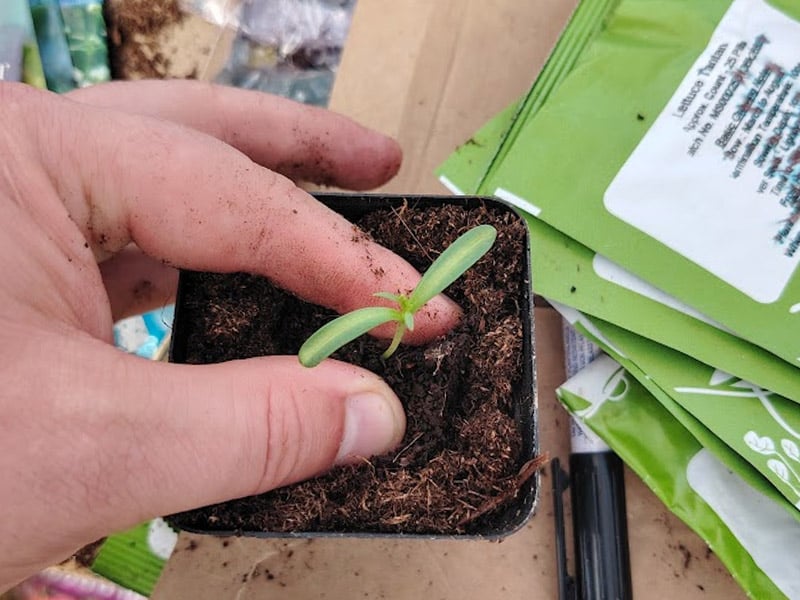
The seedlings grow quickly and will need pricking out as soon as they're big enough to handle. Pinch out the tips when they're about 10cm tall to encourage bushiness. You'll have strong plants ready to go out after the last frost.
Antirrhinum (Snapdragon)
Snapdragons are brilliant for cutting and the bees love them too. Sow the seeds on the surface of compost - they need light to germinate. Keep them at 18-21°C and mist regularly to keep the surface moist.
They should germinate in 10-14 days. Pinch out the tips when the plants are 10cm tall to make them bushier. The earlier you sow, the earlier they'll flower, so January sowing gives you blooms from June.
Helichrysum (Straw Flower)
These papery flowers are perfect for drying. Sow them on the surface of compost at 18-21°C. They need light to germinate and should be up in 7-14 days.
The seedlings can be a bit prone to damping off, so don't overwater and make sure there's good air circulation. Once they're growing well, they're pretty tough and drought-tolerant.
Cerinthe Major (Honeywort)
This unusual plant with its blue-purple bracts is a magnet for bees. The seeds have a hard coat, so soak them overnight before sowing. Plant them 5mm deep and keep at 15-20°C.
Germination can be slow and erratic - anything from 2-8 weeks. The wait is worth it though - they're beautiful plants and self-seed readily once established.
Chrysanthemum
Annual chrysanthemums are easy from seed and give you masses of daisy-like flowers. Sow them on the surface at 18-21°C and they'll germinate in 10-15 days.
Pinch them out regularly as they grow to get bushy plants covered in flowers. They're great for cutting and last ages in a vase.
Aquilegia (Columbine)
Like many perennials, aquilegia seeds need stratifying. Mix them with moist compost in a bag and refrigerate for 3-4 weeks. After this cold treatment, sow them on the surface at 18-22°C.
Germination is slow and erratic - can take 30 days or more. The plants probably won't flower until next year, but they self-seed freely once established, giving you new colour combinations each year.
Gerbera
Gerberas are a bit challenging from seed but not impossible. Sow them pointed end down, with the tip just showing above the compost. Keep at 20-25°C and they should germinate in 15-25 days.
The seedlings are slow-growing at first and need careful watering - they hate being too wet. You'll need patience, but home-grown gerberas are very satisfying.
Brachycome (Swan River Daisy)
These little Australian daisies are perfect for containers and edges. Sow them on the surface at 18-21°C and they'll be up in 10-14 days.
They're quite quick from seed to flower - about 12 weeks - so January sowing gives you flowers by April if you keep them warm. They're not frost hardy though, so keep them protected until May.
Platycodon (Balloon Flower)
These unusual perennials get their name from the balloon-like buds. Sow the seeds on the surface - they need light to germinate. Keep at 20°C and be patient - they can take 2-4 weeks to appear.
The seedlings are very slow-growing at first. They probably won't flower in their first year, but once established, they're long-lived and trouble-free.
Betony
This cottage garden perennial is great for bees. The seeds need stratifying - give them 4 weeks in the fridge before sowing. After stratification, sow them on the surface at 15-20°C.
Germination is slow and erratic. The plants are worth the wait though - tough, long-lived, and loved by pollinators.
Hordeum Jubatum (Squirrel Tail Grass)
This ornamental grass is gorgeous in dried arrangements. Sow the seeds 3mm deep at 15-20°C. They should germinate in 14-21 days.
The plants are quick to flower - about 12 weeks from sowing - and the seed heads are beautiful both fresh and dried. They self-seed readily, so deadhead if you don't want them spreading.
Mina Lobata (Spanish Flag)
This climbing plant needs a long season to flower well, making January perfect for sowing. Soak the seeds overnight first, then sow 1cm deep in individual pots. Keep at 20-24°C.
They should germinate in 7-21 days. The plants grow fast once they get going and need support. The flowers start red and fade through orange to cream, giving a multi-coloured effect.
Top Tips for Success
The biggest mistake people make with January sowings is not giving seeds enough light once they've germinated. Our winter days are short and dull, so seedlings stretch and get leggy. If you can, invest in a grow light or at least put seedlings on your brightest windowsill and turn them daily.
Don't sow everything at once. Stagger your sowings over a few weeks - this spreads the workload and gives you back-up if your first batch fails.
Keep everything scrupulously clean. Damping off disease loves the warm, humid conditions in propagators. Wash all your pots and trays with hot soapy water before use and use fresh compost.
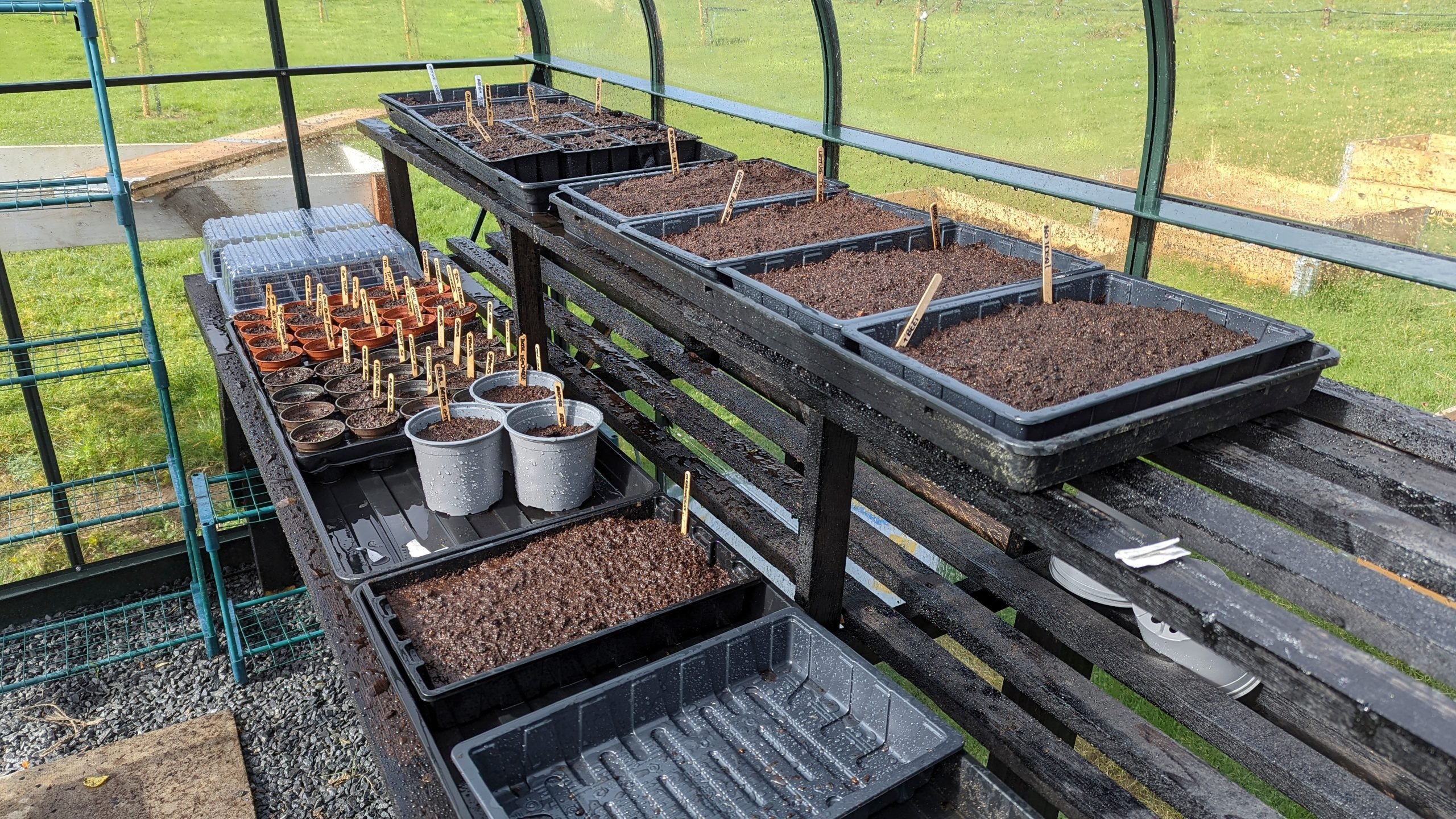
Label everything! It's easy to forget what you've sown where, especially with seeds that take weeks to germinate.
Be patient. Some of these seeds take ages to come up, particularly the perennials. Don't give up too soon - I've had seeds germinate after 2 months of waiting. (One of the reasons an early January sowing can make a lot of sense)
Finally, don't get carried away. It's exciting to start sowing but remember you've got to look after all these seedlings for months before they can go outside. Make sure you've got enough space, especially once they need potting on.
January sowing isn't for everyone, but if you've got the kit and the space, it's a brilliant way to beat the winter blues and get a head start on the gardening year. There's nothing quite like seeing those first green shoots poking through when it's miserable outside!
Leave a Reply