
Growing peppers was one thing I struggled with for many years. Time after time, I would put time and effort into growing them, only to be rewarded with a pitiful harvest.
Does this sound familiar to you? Many people struggle with peppers in the UK, but after much trial and error, I have finally cracked the code.
Here are some of my top tips that will allow you to grow more peppers than ever this year.

Choosing The Right Variety
Some pepper varieties produce more fruit than others. It is as simple as that. Unfortunately, the bell peppers we know and love are often some of the poorer types when it comes to pure numbers.
Long, thin peppers are often much more productive than bell peppers. These don't have to be hot, and many sweet varieties are available.
Two I like to grow are Lemon Dream and Aji Dulce. If you do want to grow bell peppers, then Red Robertina is a highly productive variety.
Bell pepper plants often produce only 3 or 4 peppers per plant; this is just how they grow. Now, this isn't an issue in countries where peppers grow outside, as you can have vast rows of plants. But in the UK, where we need to grow them in a greenhouse or polytunnel and so space is at a premium, it is an issue. Grow a bullhorn variety to maximise your space use.
Start Indoors

If I could give you one piece of advice, it would be this: start your peppers indoors as early as possible.
In their native countries, peppers are perennials, with some lasting many years.
This means they are slow growers, and in our shorter season, the weather can often change before they have fully developed.
By starting them off early indoors, we prolong the growing season by many months, giving us a much better chance of huge harvests.
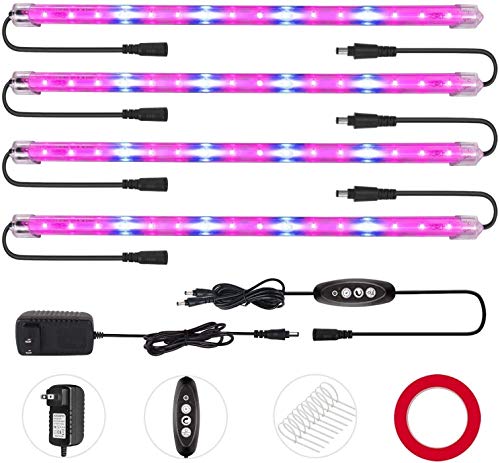
I have a grow light setup complete with heated seed mats, but a sunny windowsill above a radiator can work well too.
- MORE EFFICIENT & SUPER BRIGHT
- AUTO ON OFF & TIMING FUNCTION
- 4 DIMMABLE LEVELS
Remove The First Flowers
Peppers try and flower when they are still very young, you want to remove all of these flowers.
This is because creating flowers and fruit uses up a lot of energy.
We want this energy to be going into leaf and root development instead.
This leads to a much larger plant overall, producing many more peppers over the season.
So even though removing your first flowers can be very tough, it is well worth it.

How To Pick
Nipping the flowers off is a simple job, I walk round the greenhouse and nip out any small buds I see using my fingers.

You can see that these plants are starting to bud and want to flower.

But look at the size of them; they are still large seedlings at this point.
Creating fruit would put huge pepper on the plant and sap any available energy.
Instead, we want all of this energy to go into further growth.
This way we end up with a much bigger plant that can support more peppers.
So even though it is hard, we are playing the long game here and will be rewarded in a few months.
When Not To Pick
Even though I encourage you to pick your pepper flowers, there are a few times when you shouldn't.
Really Hot Peppers
Extremely hot peppers often tend to take a long time to develop and grow fully.
You often don't want to pick the flowers off these plants so that you have enough time for the fruit to develop properly.
If You Are Behind
If you started your peppers a little late or if they have suffered some form of setback, then picking the flowers might not be advised.
We have a short season here in the UK for peppers, so if you are already behind, then putting the plant even further back is not a good idea.
If You Grow In A Cold Region
If you grow in a really cold region, were talking Scottish highlands and above, then it again is not a good idea to pick the first flowers.
That is because your growing season is so short that you do not want to increase the amount of time your peppers take to develop.
So even though you will end up with bigger pepper plants, you won't have the time to actually benefit from this when it comes to harvests.
Prune

Just like you prune and train your tomato plants, you should also prune and train your pepper plants.
You don't have to, but there are many reasons why you should, just like with tomatoes.
Removing The Growing Tip
The first pruning method is to pinch out the growing tip. This promotes bushier rather than vertical growth.
Removing the growing tip is a standard method used with many plants, and it works well.
You do it when the plant is still very young, just a bit above a seedling size. Pinch out the growing tip back to a set of leaves.

Removing Sideshoots
Like tomatoes, removing the side shoots from your pepper plants can be a good idea. This is the growth shoot from the main stem just above a leaf node.
If you allow these to remain on the plant, the pepper will put more effort into developing foliage than fruit.
Again like tomatoes, it can be better to leave the suckers sometimes. On tomatoes, you do this with cherry varieties as the bushier growth leads to more fruit.
You leave the suckers on smaller chilli plants that produce lots of little fruit but prune them on ones that provide larger fruit. So your bell peppers, for example, should have the suckers removed regularly.

Fertilise
You can feed peppers with a nitrogen-heavy feed at first, then move to one with more phosphorus in it as they begin to flower.
Tomato feed can work well with pepper plants and is what I use.
Hand Pollinate
This can help increase your pepper yields. I use a paintbrush and dab it from flower to flower.
This is essential for indoor plants and very helpful for greenhouse-grown ones.
Although peppers may be pollinated naturally, a little help can go a long way. The flowers of peppers contain male and female parts, so this is an easy job.
Peppers produce many flowers, and if each is pollinated, that means more peppers for you!


Leave a Reply