
Here’s everything you need to know to get your cucumbers going, indoors or out, the right way, and a few common mistakes to dodge along the way.
Why Start Cucumbers Indoors?
Cucumbers are warm-weather plants through and through. They really don’t like the cold, especially their roots, so planting them out too early can leave them stunted or dead. By starting them off indoors, you:
- Get a head start on the growing season
- Avoid slow germination due to cool soil
- Have strong, established seedlings ready to take off once they hit the garden
When to Start Cucumber Seeds Indoors
Timing’s key here. Cucumbers grow quickly once germinated and will soon take over your house and outgrow their pots. You don’t want your seedlings sitting inside for too long and getting leggy or rootbound.
Late March and throughout April is a good time for most of us in the UK. If you are on the south coast, you can probably go a week or two earlier, and conversely, if you are in Scotland, then maybe wait a week or two longer.
Why Start Cucumbers In The Greenhouse Polytunnel?
The main reason is its a damn sight easier to sow out in the greenhouse than it is indoors. You dont need the same equipment, and you dont need to take up room indoors.
Additionally, you have a few extra benefits, such as the plants being a bit tougher, and they won't have to go through a period of shock when transitioning between the cozy indoors and your slightly less cozy greenhouse.
But when can you start your cucumbers in the greenhouse? The answer, I'm afraid, is the classic - it depends. There is no specific date to do it, and the best time will vary from year to year; it all depends on the weather. And, in the main, how cold it is overnight.
You don't want the temperature in your greenhouse to drop anywhere near zero; above 10 °C is ideal, but your cucumbers will germinate and grow even with colder overnight temperatures than this.
Too many nights below 10C though and you will start to see effects on the growth of your plants, and if we get a really cold night which causes a frost in the greenhouse, then you may lose them for good.
When looking at the temps, remember that your greenhouse stays a few degrees warmer than the outdoor temperature. This will vary significantly depending on the individual greenhouse, but I often receive 3-4 degrees of extra warmth. If you want to keep an eye on this yourself, then consider getting a greenhouse thermometer that records the coldest temperature it reaches.
How To Sow Your Cucumbers
Cucumbers, like all cucurbits (melons, courgettes, squash), have large seeds and germinate as already large plants. This means you need to choose a decent-sized pot to get them going.
Some people say sow the seeds on their side as it reduces the chances of them rotting, I have never found it to make any difference, but if you want to, then go ahead!
Use a seed compost or sieved general-purpose compost to start your seeds.
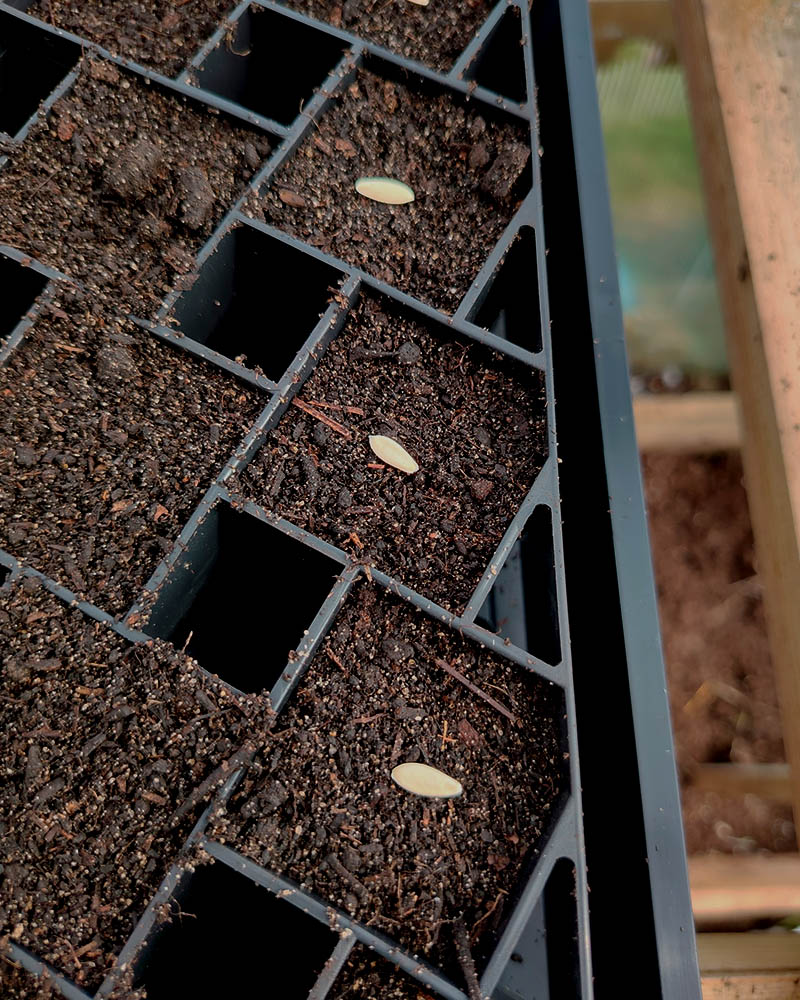
These are going into my WinStrips 50s. This is a tray with 50 modules. Each module is 4.1 cm wide by 6.9 cm deep, so it is quite big.
I recommend using a larger module tray like this or individual pots (like the square ones in the photo below). Place them on a tray with no holes to help keep them moist.
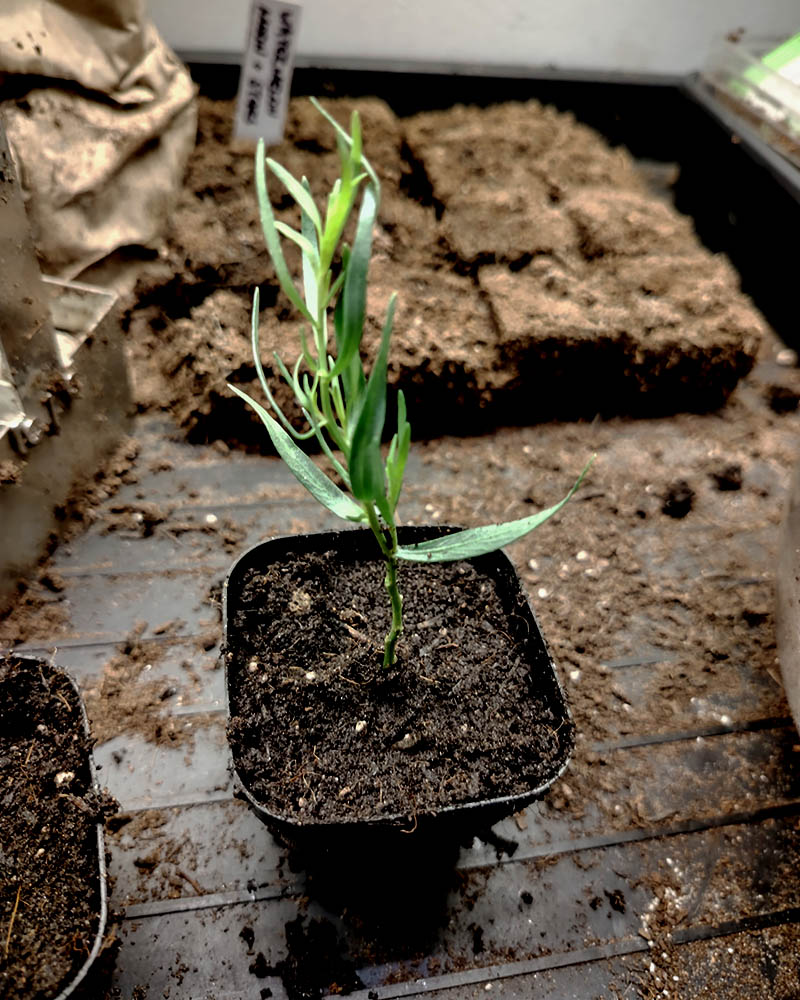
I often use these smaller square pots with the tarragon cutting in above for my cuc's. Square pots are great because they allow you to fit many more onto one bottom tray. Small things like that can save a lot of room in the end.
Push them down below the surface by one or two centimetres, just using your finger.

Once they are below the surface, lightly cover them with compost, water well, and then wait!
In warm soil, they will generally germinate in around a week but can take a little longer. But if you still don't see anything after 2-3 weeks, then it might be time to sow another batch!
Growing On
Because we started these seeds in larger pots or trays to begin with, they should be fine in there until the time comes to move them to the greenhouse. That's the big advantage to starting in larger pots.
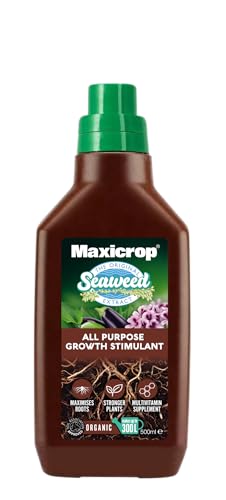
If your seedlings ever start to look a little yellow, then they might be lacking in nutrition. Give them a gentle feed. I like to use Maxicrop organic seaweed feed and make it about half as strong as the guidelines.
- GROWTH STIMULANT: A powerful natural plant growth stimulant with added seaweed extract that brings out the best in your plants
- BOOSTING AND NUTRITIONAL: Boosts healthy root development and ensures maximum nutrient uptake
- SUITABLE FOR: Ideal for use on all plants, including flowers, shrubs, trees, fruit and vegetables, in the home, garden, or allotment
Planting Out
In all likelihood, you will be moving your cucumbers to the greenhouse and growing them there. If that is the case, then simply move them when the nights start getting warmer. Normally around the end of April/beginning of May.
Cucumbers aren't big fans of it dropping too far below 10 Celsius overnight.
If you are going to plant your cucumbers in the garden, first harden them off by moving them to a greenhouse or other sheltered spot for a week.
Once they have been there for a week, slowly start moving them outside, just during the day at first. Then, increase the amount of time they are outside over the next week—this just gets them used to the colder conditions. The shock of going from inside to outside immediately can be enough to kill off your plants.



Jaffer says
Thank you for your guidance on this website. It really helps a completely novice like me. I am growing cucumbers, tomatoes, chillies and coriander this year. Just keeping it simple and understanding how things work. Thanks for your all your advice.