
If you've got bindweed in your garden, I feel your pain. It’s the worst weed I face after horsetail. Many gardeners give up because of it. You pull it up, and it comes back. You dig it out, and it comes back. You dig deeper, and it returns stronger.
I’ve gardened here for years, and bindweed was already present when I arrived. I haven’t removed it completely. Honestly, I’m not sure anyone really can. But I have it under control. The worst patch hasn’t sent up a shoot in two seasons. Here’s what has worked for me, for those gardeners swearing with a fork in hand.
I’ll start with organic methods because that’s my approach. At the end, I’ll discuss the chemical option with complete transparency, so you can decide what's best for you.
First, Know What You're Dealing With
There are two main types of bindweed in UK gardens, and they behave in distinct ways.
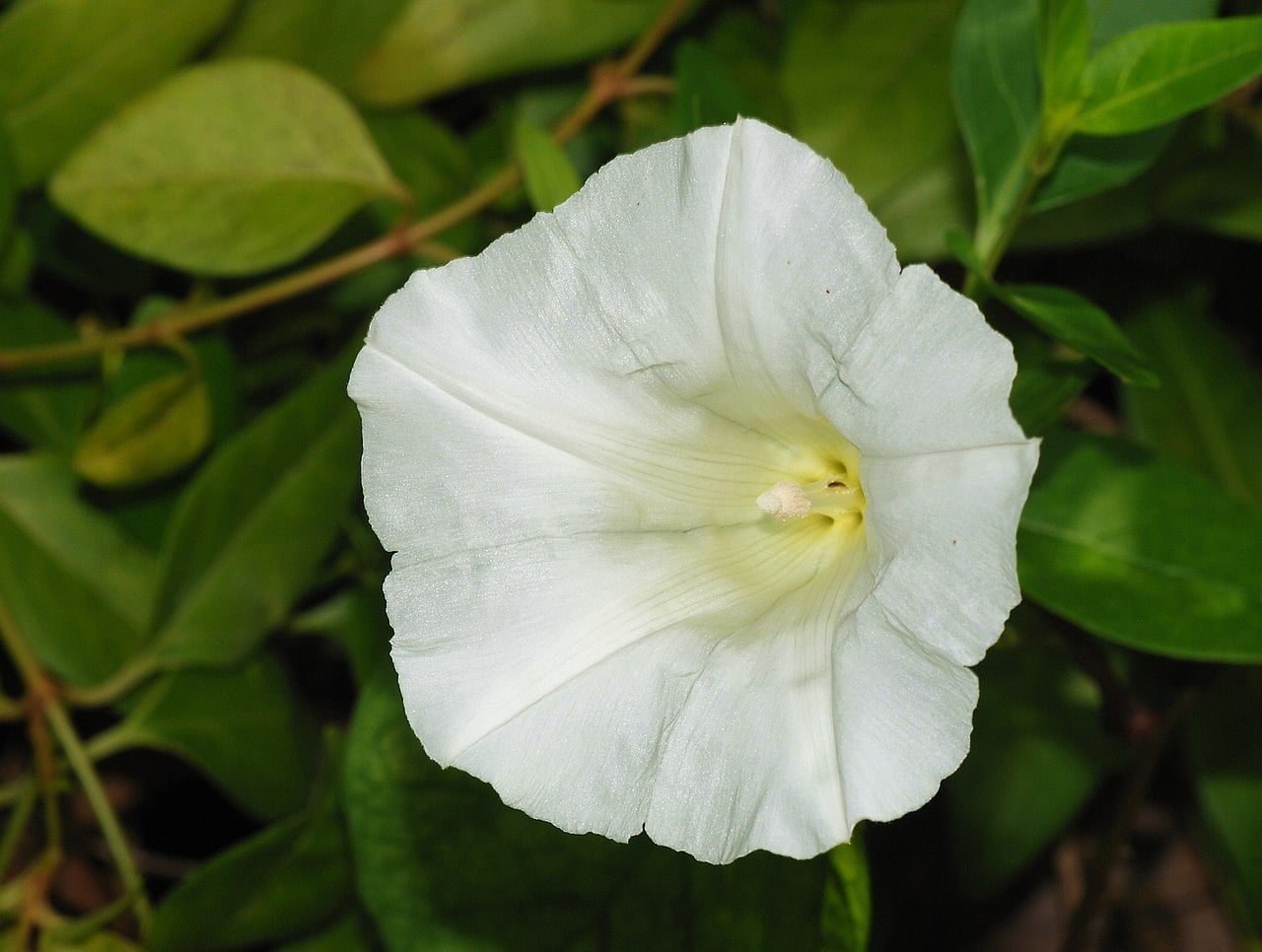
Hedge bindweed (Calystegia sepium) is the larger type. It has big heart-shaped leaves and white trumpet flowers. It climbs through hedges, fences, and roses, reaching over 3 metres in a season.
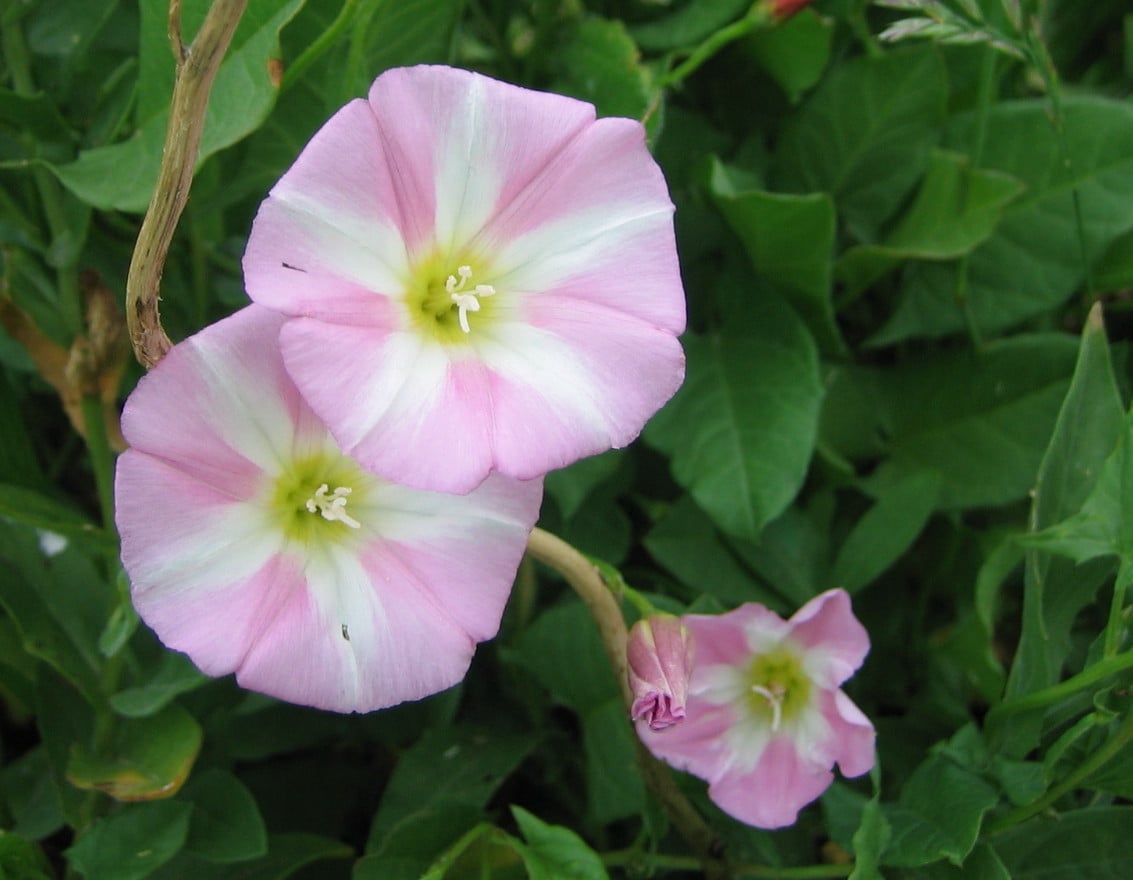
Field bindweed (Convolvulus arvensis) is smaller, with arrow-shaped leaves and pink-and-white flowers the size of a 50p piece. While the flowers are pretty, the plant is not. Field bindweed is worse because its roots can go down 5 metres or more. Some say even deeper.
Yup, five metres. That’s why digging it out rarely works. You’d need a JCB.
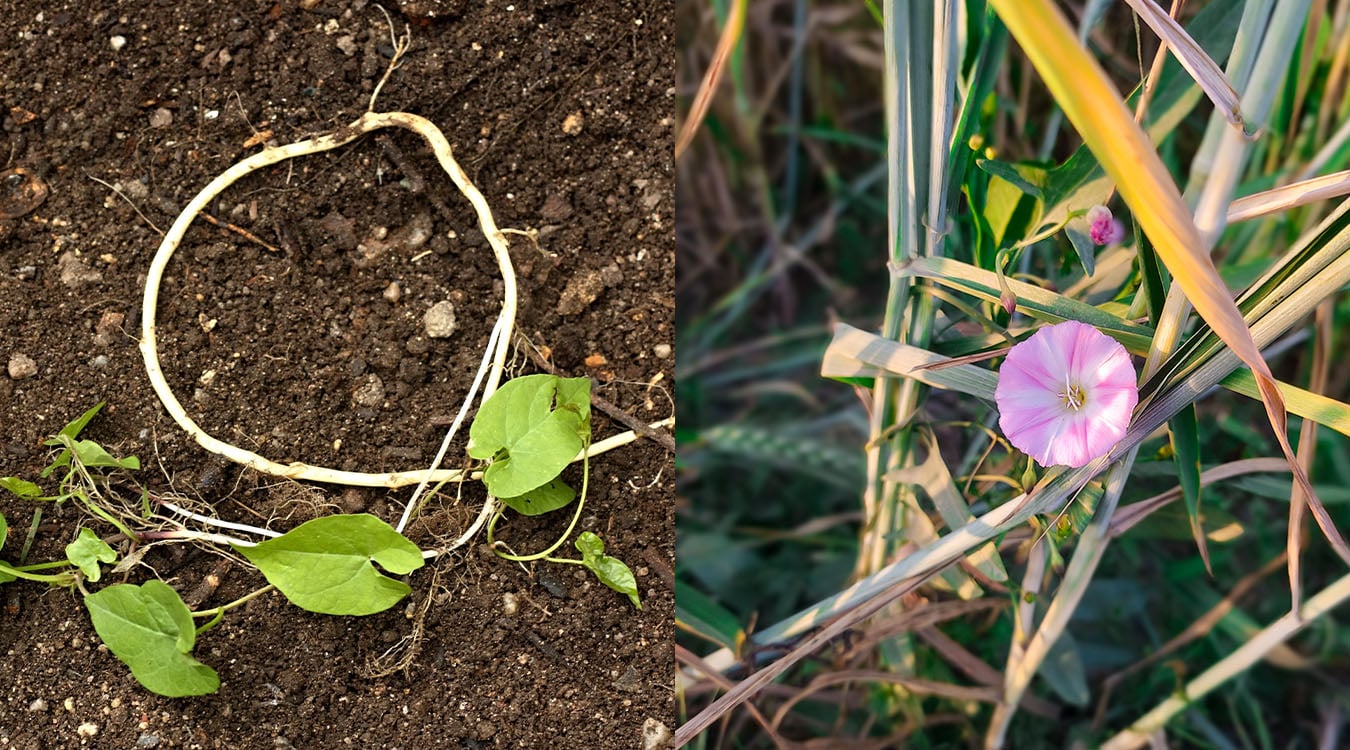
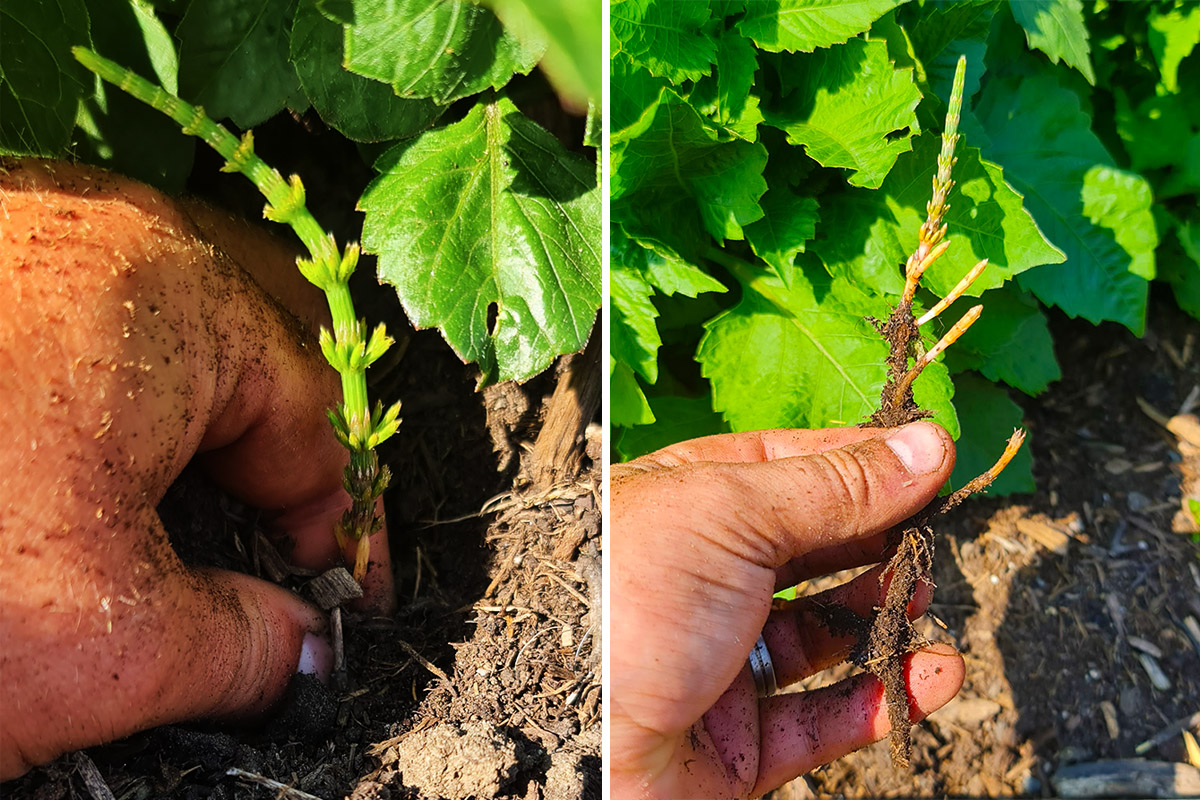
Both types spread by seed (less common in the UK) and mainly by underground roots that snap easily. Every piece over 5cm can grow into a new plant. This is why pulling at it only makes things worse.
Why “Just Dig It Out” Doesn’t Work
The first truth I had to accept was this, you can’t properly dig out bindweed, especially in established borders.
The roots are too deep and too brittle. Everyone has tried it. It works for about three weeks, then the bindweed returns from pieces you couldn’t reach. Now, you've broken the roots into smaller bits that all want to grow.
I know that’s not what most want to hear. But once you stop fighting, real options appear.
The Organic Methods That Work
The organic approach to bindweed is all about one idea: starve it out. Roots store energy. Every time the plant puts up a leaf, it collects sunlight and feeds the roots. If you stop the leaves from getting sunlight, the roots use their stored energy. Eventually, they run out and die.
That’s it. It’s not quick, but it works.
1. Pull or Hoe Every Single Shoot
This is my main method. As soon as a bindweed shoot appears, remove it. Don’t dig, just pull or hoe off the top growth.
The key is consistency. If you do this weekly from April to October, the roots can't gather enough energy. They weaken each season. I do this on Saturday mornings with a coffee. By July, it takes about ten minutes if I stay on top of it.
I cleared a rose bed this way over three seasons. The first year was tough with bindweed everywhere. The second year, much less. By the third year, I found just one or two shoots a month. This year, I haven’t seen a single one in that bed. It does work; you just need patience.
What you need: a hoe (a Dutch hoe is fine), and persistence.
2. Smother With Cardboard and Thick Mulch
This is my most effective method. It’s best for clearing a whole bed before planting or an area you’re not in a rush to use.
Cut off all top growth from the bindweed. Lay down heavy cardboard over the soil (thick black plastic is even better, but not everyone wants more plastic in their gardens!) I use old delivery boxes, flattened, with at least 6 inches of overlap to block all light. Then add a thick layer of mulch, at least 6 inches of bark chip, wood chip, or well-rotted manure. The thicker, the better.
The cardboard blocks light. The bindweed pushes shoots up, finds darkness, and uses up its root reserves trying. Eventually, it gives up.
This works best if you leave it for a full year, ideally two. I know that’s a long time, but you can plant straight through the mulch. The roots of your new plants can penetrate the wet cardboard, but bindweed can’t push back.
What you need: a lot of cardboard, a lot of mulch, and patience.
3. The Bamboo Cane Trick
This method is great for bindweed growing through plants you want to keep, a rose, a clematis, or a shrub you can't move.
Push a tall bamboo cane next to the bindweed shoot. The bindweed will twine up the cane instead of your prized plant. Now, it’s all in one place. You can pull it off the cane weekly (an easy job) or, if you use chemicals later, treat just that cane without affecting other plants.
This trick, learned from my dad, has saved me hours of careful weeding.
4. Mow It Out of Lawns
If bindweed is in your lawn, it’s an easy fix. Regular mowing once a week during the growing season will kill bindweed completely within two or three years. The grass keeps growing while the bindweed can’t produce enough leaves to feed itself.
Some people have laid turf over bindweed-infested areas specifically to mow it out. It takes a few seasons, but you end up with a usable lawn, unlike most weed-clearing methods.
Things That Don’t Work (Don’t Bother)
Salt. Yes, it kills the top growth, but it also harms your soil for years and leaches into neighbours’ gardens. Don’t use salt as a
Vinegar. It burns the leaves but doesn’t touch the roots. Bindweed returns in a fortnight. A waste of vinegar.
Boiling water. Same issue as vinegar. Top growth dies, but roots survive. Fine for path cracks but useless against bindweed.
Composting it normally. Don’t put live bindweed roots in your compost bin. They’ll survive and spread. Either bin them, take them to the council recycling centre, or rot them down in a sealed black bag for a year before composting.
The Chemical Option: Glyphosate
Let’s talk honestly about glyphosate.
One of the most effective chemicals for killing bindweed is glyphosate, also known as Roundup. It’s also sold under other brand names, Resolva, Gallup, Doff, and more. It’s a systemic
Glyphosate is currently legal for home gardeners in the UK. Its licence is up for renewal in December 2026, and there’s a chance it’ll be restricted or banned for amateur use. But as of now, you can still buy it at any garden centre.
If You’re Going to Use It, Here’s How
The best time to spray bindweed is when it’s growing well, usually from June to August. Aim for stems that are about 30-45cm long and have lots of leaves. The more leaf surface, the more
The cane trick I mentioned before is the best method. Let the bindweed climb a cane, away from your other plants. Then, either spray the cane or, even better, wrap the bindweed in a clear plastic bag. Spray inside it, then seal the bag with a clothes peg. Leave it for three weeks. This method kills the bindweed completely, with no risk of spray drifting onto your desired plants.
One application usually isn’t enough. Plan to do it once a year for two or three years.
The Pros
• It works. Glyphosate is the most effective method against bindweed and acts faster than any organic method.
• It’s cheap. A bottle of concentrate costs about £10-15 and lasts a long time.
• When used carefully, such as with the bag method, on a calm day, and painted onto leaves, it’s a precise tool that won’t drift onto other plants.
The Cons
• The World Health Organization's cancer research agency classifies it as “probably carcinogenic to humans.” The science is debated, but the doubt makes me uncomfortable using it around food crops.
• It harms soil life. Studies show it damages earthworms, soil bacteria, and the microorganisms that healthy soil needs. As a no-dig, organic gardener, that’s a deal-breaker for me.
• It’s linked to harm in bees and other pollinators.
• Spray drift can damage your neighbours' plants or your own ornamentals and vegetables.
• Stricter rules in the UK are likely soon. Councils like Edinburgh and Bristol have already phased it out of public spaces.
What I Actually Do
I don’t use glyphosate. That’s my choice for my garden. I grow vegetables, and garden no-dig to keep my soil alive. I won’t judge anyone who uses it; it’s still legal, effective, and I understand why some gardeners choose it after battling bindweed for years.
But if you’re willing to put in the effort, organic methods can work. They just take time. Two seasons of weekly hoeing or a year under cardboard and mulch, and the bindweed finally gives up.
AILEEN says
Any chance of having your strategy for tackling ground elder? I agree 100% regarding bindweed!
Daniel says
Writing it today 🙂
Phil Morris says
I used to work as a Gardener and I used dig it up every bit of it and it never came back .If you do it properly you should not have any problems.
Catherine Kelly says
Many thanks for that bindweed advice ,I have it in fruit garden ,blackcurrant and raspberries.i got old carpet ends and covered with mulch ,sprayed emerging shoots with vinegar ,fairy liquid and bread soda ,leave blacken within a day ?,ill take your advice and cut leaves off very regularly ,wish me luck
Richard Tyrrell says
At last, some sensible and very useful advice on the war with bindweed. Many thanks for that.
Is this article published anywhere for future use?
Carolyn says
Can I rescue plants from a border with bindweed and move them somewhere else? Or will I bring the weed with them!
Daniel says
you can, but you have to be thorough and make sure you dont bring any with you or you will just be spreading it around. could always pot them up first to ensure there is no bindweed in what you dig up