
Aphids are tiny, soft-bodied insects that often show up in large groups on garden plants. They may be green, black, brown, or even pink, and you’ll usually find them clustered on new growth, stems, or the undersides of leaves. Even though they’re small, aphids can cause big problems if left untreated.
Aphids feed by sucking the sap out of plants. This sap is full of nutrients the plant needs to grow. When aphids feed, they take away those nutrients, which weakens the plant. In most cases, this will not kill the plant, and often aphids aren't a disastrous problem, unless numbers start getting out of hand. The leaves may start to curl, turn yellow, or become deformed. New growth can be stunted, and flowers or fruits may not develop properly. In some cases, if there are too many aphids, the plant can die.
Another reason aphids are a problem is that they spread plant diseases. As they move from one plant to another, they can carry viruses that cause long-term damage. Once a plant is infected, it may never fully recover, and there’s often no cure for these diseases.
Aphids also create a sticky substance called honeydew as they feed. This sugary liquid falls on leaves and stems, making them look shiny or wet. Over time, a black fungus called sooty mould can grow on the honeydew. Sooty mould doesn’t just look messy—it also blocks sunlight from reaching the leaves, which makes it harder for the plant to photosynthesise and stay healthy.
Fighting Back Against Aphids
Those pesky little bugs can cause a lot of damage, so what can you do to fight back? Here are some of my top tips for dealing with aphids.
Squash Them!
Put some gloves on, because this will get messy, and run the infested stem between your thumb and forefinger, squashing the aphids as you go.
A bucket of soapy water next to you to wash the bug juice off your gloves is a good idea as you squish. It is messy and time-consuming but because 99% of the aphids will be flightless you can do some serious damage to their numbers.
If, however, you don't get them all they will soon be back so this is not a one-time and done job.
Hose Them Off
One easy method of trying to keep aphids off your treasured flowers is to spray them off with a high-powered hose.
This should knock the aphids off and also kill a few at the same time. This is a fairly easy method and doesn't harm the plant at all as long as it is established enough - don't do this with young plants!
Crucially though it won't kill all of the aphids so it is more of a method to try and minimise the damage rather than get rid of the aphids altogether.
Washing Up Liquid Spray
This is one of those home remedies that seem to get recommended for every problem but it can work on aphids.
The idea behind this is that you spray a diluted mix of washing-up liquid onto your aphids. The sticky spray makes it so the aphids can't breathe and they therefore die.
It does work but it is nowhere near as effective as commercial sprays.
One issue with this method is that it can cause burn-like damage to the leaves of your plants so you do need to be careful.
Just because it is not a pesticide doesn't mean you can go spray crazy. Rinsing the plant with a follow-up water spray can really help here.
Commercial Sprays
There are lots of different bug sprays that will kill aphids, some organic, some not. I always advise trying to use organic methods where possible but I can understand why you may want to try and use a proper pesticide on lupin aphids.
but I will say, give the organic methods ago before resorting to pesticides if the other options don't work.
- Same day, spray and eat
- Contact insecticide for ornamental plants, fruit and vegetables
- 100% natural active ingredient
- Controls greenfly, blackfly, whitefly, scale insects, mealybugs, red spider mites and other mites
- For use both indoors and outdoors all year round
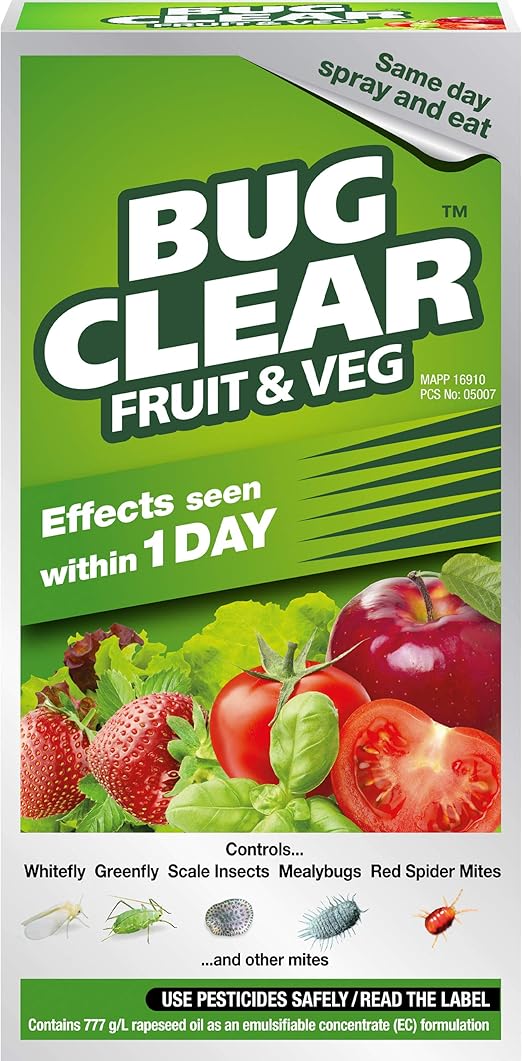
While made for fruit and veg this spray can work just as well on flowers.
The main active ingredient in this spray is rapeseed oil which is where the made-from-natural ingredients claim comes from. This spray should be much better for the environment and other animals than a pesticide spray.
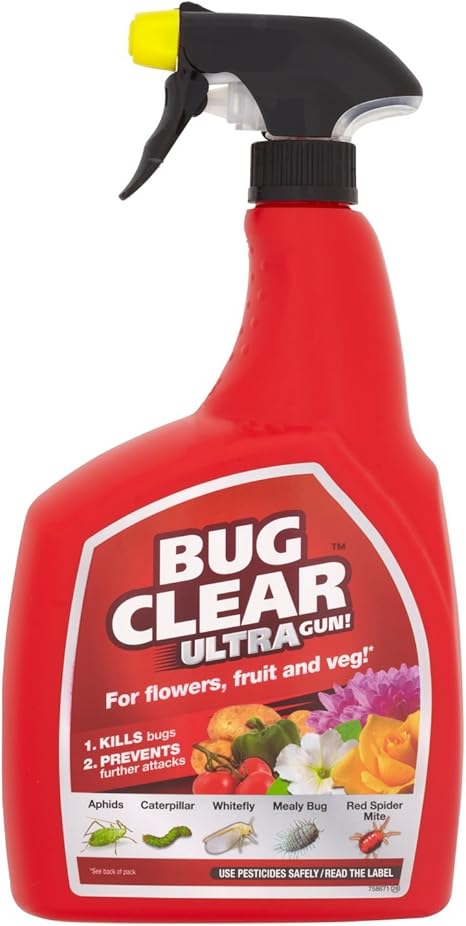
If you want to go the whole hog and get a heavy-duty bug spray then I recommend bug clear ultra, made by the same people as the spray above but this is the full pesticide version.
Kills all major insect pests, including whitefly, greenfly, black fly, red spider mite, caterpillars and lily beetle, scale insects and mealy bugs For use on flowers, fruit and vegetables.
Ladybirds
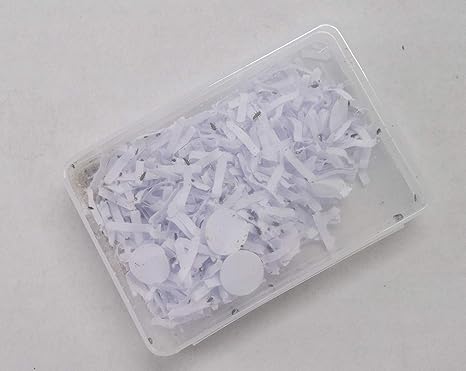
And finally, we have my favourite method, introducing ladybirds to your garden or allotment. Ladybirds are natural aphid predators.
You can buy them in their larval form and then introduce them to your garden, where they will hunt and eat aphids.
There is one downside to this method with lupin aphids in that some people say they won't eat lupin aphids as they are too big for them! I have not noticed this myself but it is something to be aware of!
These native British Adalia Bipunctata ladybird larvae have a huge appetite for soft -bodied garden pests such as aphids (greenfly and blackfly), spider mite, scale, mealy-bug etc.
Fight The Ants!
If you’ve ever seen ants crawling all over your plants, especially where there are aphids, there’s a good reason. Ants and aphids have a special relationship that can cause problems in your garden if you’re not careful.

Aphids are tiny insects that feed on the sap inside plant stems and leaves. As they eat, they release a sticky, sugary liquid called honeydew. Ants love this honeydew because it’s sweet and full of energy. To keep the honeydew coming, ants look after the aphids almost like farmers care for animals.
Ants will protect aphids from predators like ladybirds and other helpful insects. They sometimes even move aphids to new parts of a plant or to a different plant altogether to give them more food. Ants will also gently tap the aphids with their antennae to encourage them to release more honeydew. This makes the ants happy, but it means the aphid population can grow quickly.
Karla Hobbs says
That has been so helpful. Information I knew but some facts that I didn’t consider. The ant / aphid relationship has been very useful!